 |
--Typical
Application Methods
| Application
Method 1. Mix PolyPavement into the soil, compact the soil |
To
Address Permanent Heavy Weight Traffic Area Requirements for the Following:
|
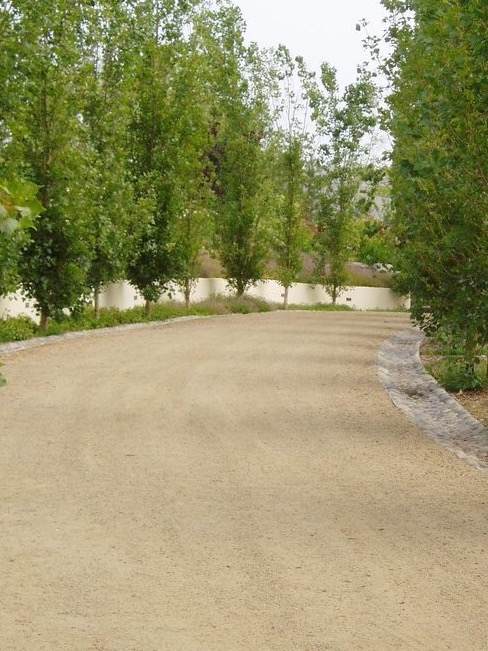
Private Streets |
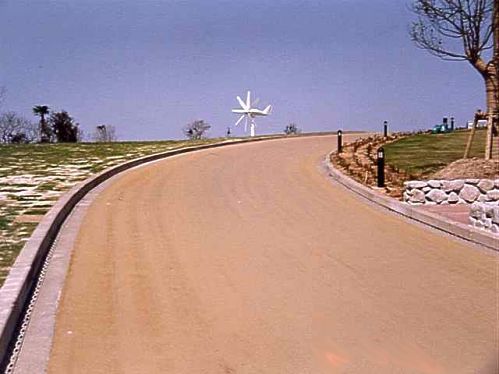
Helipads and Landing Strips |
Access and Haul Roads |
|
Parking Lots |
Service Roads and Driveways |
Staging or Lay-Down Areas |
|
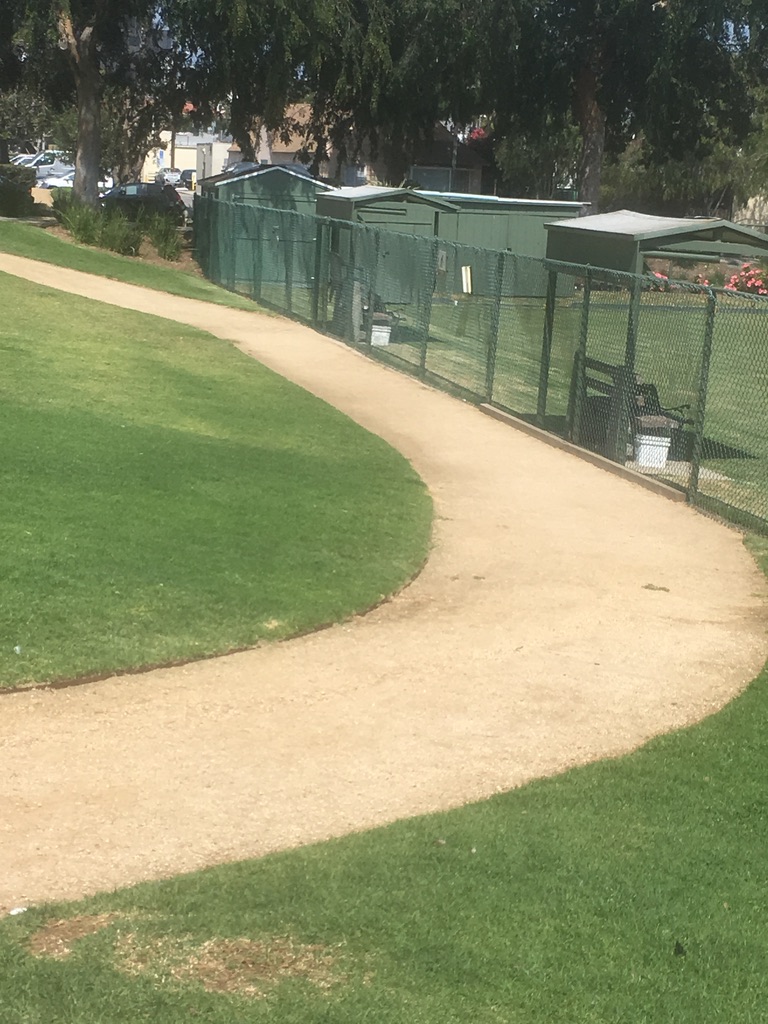
Golf Cart Paths |
Storage Yards and Areas |
Wheelchair Access Ways |
|
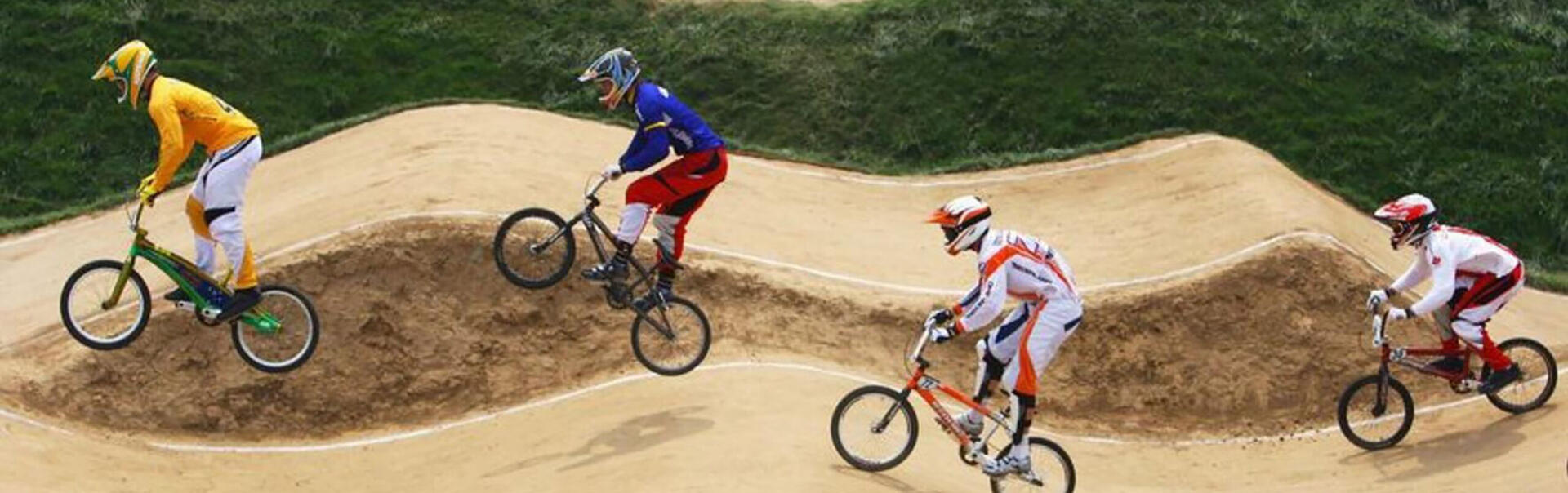
BMX/Bicycle Tracks |
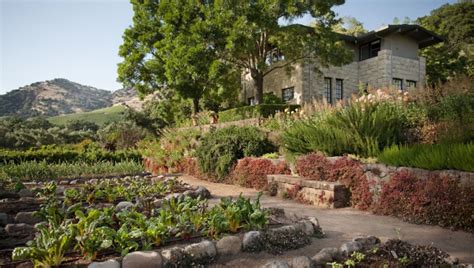
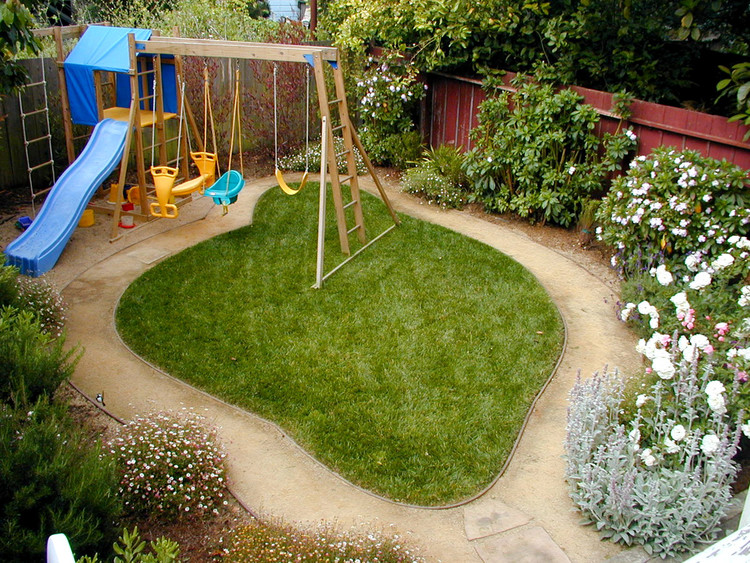
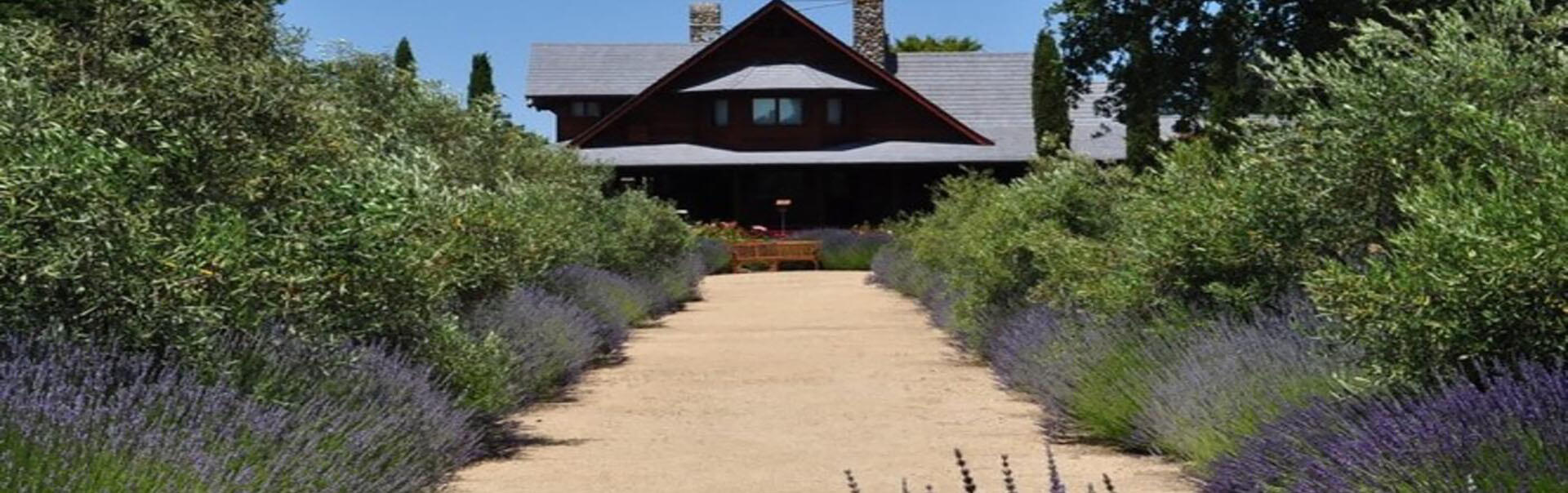
Walkways and Foot Paths |
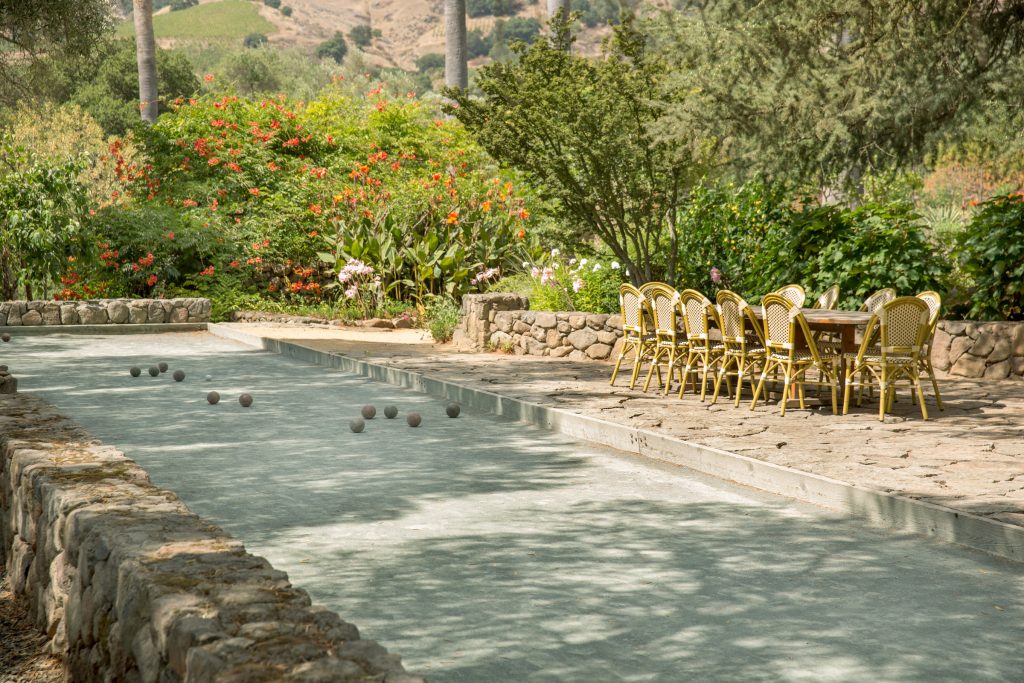
Patios and Picnic Areas |
Application
Method 1.
1. Grade, contour
and compact the soil to final elevations.
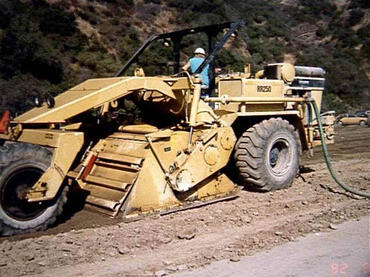
2. Till soil to the specified depth of treatment with a roto-tiller
(i.e. 2 inches)
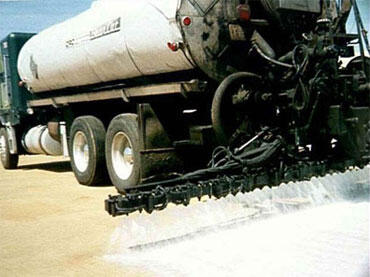
3. Spray-apply the required amount of properly diluted PolyPavement
onto the loose soil.
4. Till the soil again to thoroughly mix soil and PolyPavement.
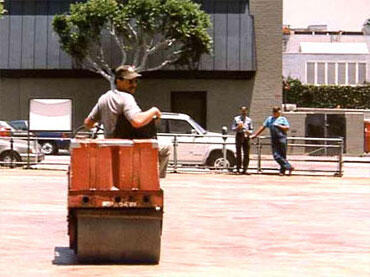
5. Re-compact the soil with a steel drum roller.
6. Spray-apply the required amount of properly diluted PolyPavement
onto the compact soil surface.
7. Allow the soil to dry.
| Application
Method 2. Spray PolyPavement onto compact soil, let it dry |
To
Address Temporary Light Weight Traffic Area Requirements for the Following:
|
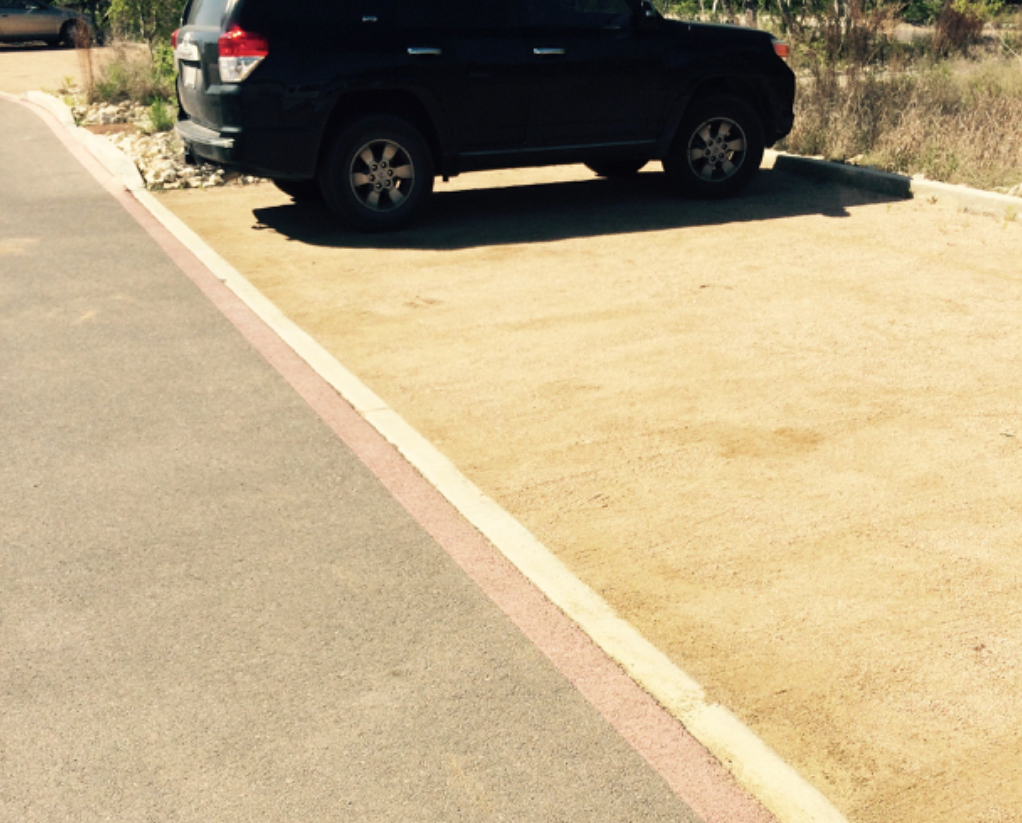
Parking Lots |
Service Roads and Driveways |
Staging or Lay-Down Areas |
|
Golf Cart Paths |
Storage Yards and Areas |
Wheelchair Access Ways |
|
BMX/Bicycle Tracks |
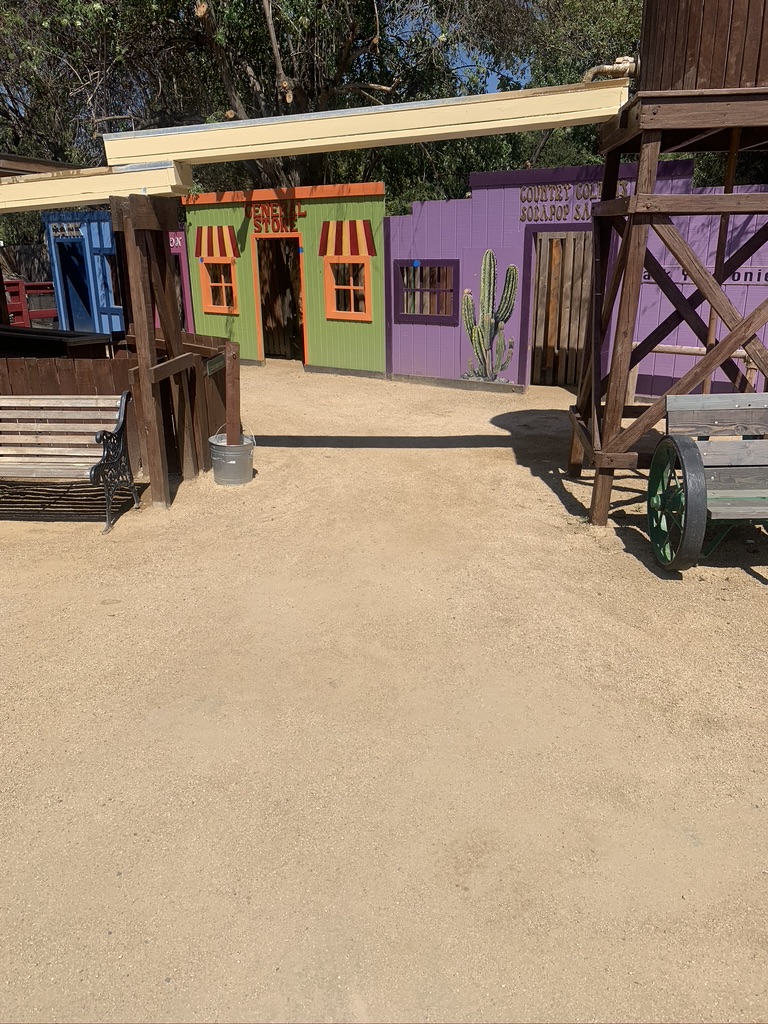
Walkways and Foot Paths |
Patios and Picnic Areas |
Application
Method 2.
1. Grade, contour
and compact the soil to final elevations.
2. Spray-apply the required amount of properly diluted PolyPavement
onto the compact soil surface.
3. Do not allow the soil to dry.
4. Spray-apply the required amount of properly diluted PolyPavement
onto the treated soil surface.
5. Allow the soil to dry.
| Application
Method 3. Spray PolyPavement onto existing soil |
To
Address Short-Term to Long-Term Non-Traffic Area Requirements for
the Following:
|
Erosion Prevention |
Windblown Dust Prevention |
|
Mud Prevention |
Trap and Bunker Lining |
|
Vegetation Prevention |
Sand Contamination Prevention |
Application
Method 3.
1. Spray-apply
the required amount of properly diluted PolyPavement onto the
existing soil.
2. Do not allow the soil to dry.
3. Spray-apply the required amount of properly diluted PolyPavement
onto the existing soil.
4. Allow the soil to dry.
The U.S.
Army Corps of Engineers tested this technology for performance in
desert, tropic and temperate climatic zones. The technology met
or exceeded all laboratory and field performance criteria specified
for rubber tire vehicles and adverse weather in all traffic area
and non-traffic area applications. (Reference: USACE Technical Report
GL-93-25, September 1993, WES Geotechnical Laboratory)
*DILUTION
RATIOS, spread rates and depth of treatment vary depending on
factors such as desired end results and specified performance criteria.
PolyPavement Technical Department provides detailed application
instructions in accordance with project performance specifications.
Application
Method 1 - Detailed Instructions for Permanent Traffic
Areas
Mix PolyPavement Into the Soil, Compact the Soil
Application
Method 2 - Detailed Instructions for Temporary Traffic
Areas
Spray PolyPavement Onto Compact Soil, Let It Dry
Application
Method 3
- Detailed Instructions for Non-Traffic Areas
Spray PolyPavement Onto Existing Soil
Field
Application Equipment
USACE
PERFORMANCE TEST RESULTS
|
In September
1993, the U.S. Army Corps of Engineers completed the evaluation
and comparison of the performance and cost of existing soil
additive materials for traffic area and non-traffic area soil
applications in desert, tropic and temperate climates. A total
of 347 materials and methods were evaluated. Each material and
method had to pass all of the Corps' laboratory test criteria
to qualify for further testing under actual field conditions.
The laboratory
researchers tested all 347 materials and methods for:
|
|
1.
Resistance to water erosion, sheet-flow and rainfall
2. Resistance to ultra violet rays from sunlight
3. Resistance to jet fuel spillage
4. Resistance to extreme heat
5. Resistance to simulated wind and prop wash air blasts |
Click
to enlarge
|
Only
7 materials of the total 347 materials and methods tested passed
all of the laboratory test criteria and qualified for further
testing under actual field conditions.
The field
application tests were conducted under desert, tropic and temperate
climatic conditions.
The
test results showed PolyPavement (Sand/Dirt Glue) to be the
only material that passed all of the Corps' criteria for traffic
and non-traffic applications in desert, tropic and temperate
climates. None of the other soil polymers met a single one of
the Corps' field evaluation test criteria for traffic area or
non-traffic area soil applications. In addition, PolyPavement
was the only material and method that significantly reduced
the manpower requirements and the cost for materials by 30%
or more.
As a result
of the U.S. Army Corps of Engineers tests and evaluation, PolyPavement
is the only material recommended by the Corps of Engineers for
all the following applications:
|
1. Traffic
Areas, Desert Climates
2.
Traffic Areas, Temperate Climates
3. Traffic Areas, Tropical Climates
4. Non Traffic Areas, Desert Climates
5. Non Traffic Areas, Temperate Climates
6. Non Traffic Areas, Tropical Climates
7. Low Manpower and Material Costs
|
The
U.S. Army Corps of Engineers' extensive study and evaluation of all
existing soil additive materials and methods demonstrated that PolyPavement
is far superior to all other materials and methods for soil stabilization
and soil solidification applications.
|
 |